
How Control Valves Work?
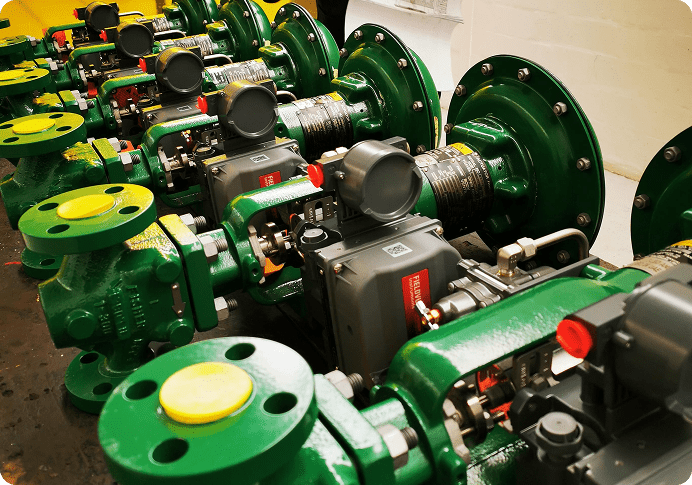
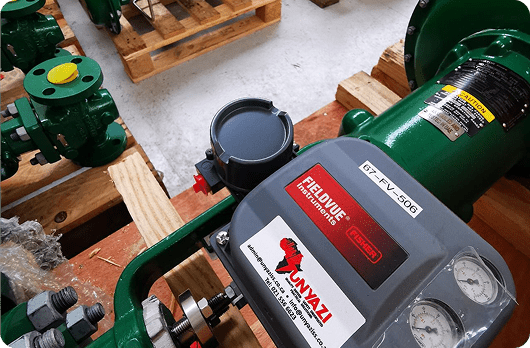
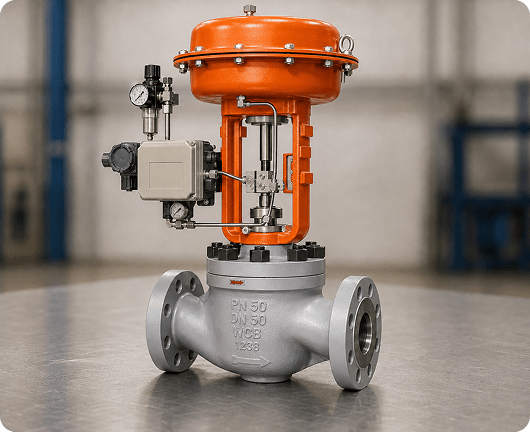
A control valve changes the flow of process media by adjusting the position of an internal plug, disc or ball. The movement is controlled by an actuator that responds to signals from the process control system. As operating conditions change, the valve opens or closes to keep the required flow, pressure or temperature within the desired range.
This allows the process to respond automatically to changes in demand, helping to maintain product quality, system stability and efficient operation.
Where are Control Valves used?
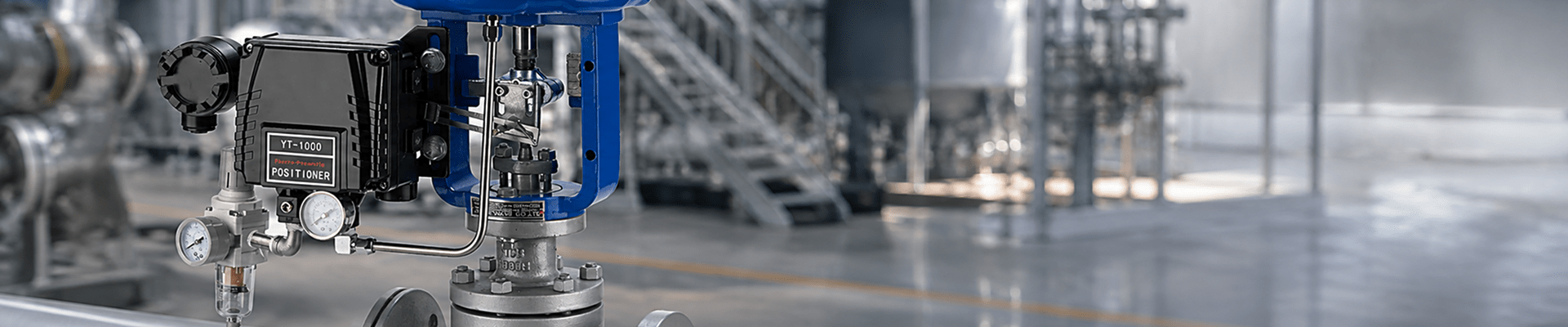
Control valves are used wherever a process variable must be adjusted automatically and accurately. Their ability to respond continuously makes them suitable for processes where stable operation and accurate control are important.
 Steam pressure and temperature controlWater and process fluid regulationChemical dosing systemsGas flow controlCooling and heating circuitsProduction and processing plantsHigh-pressure industrial systems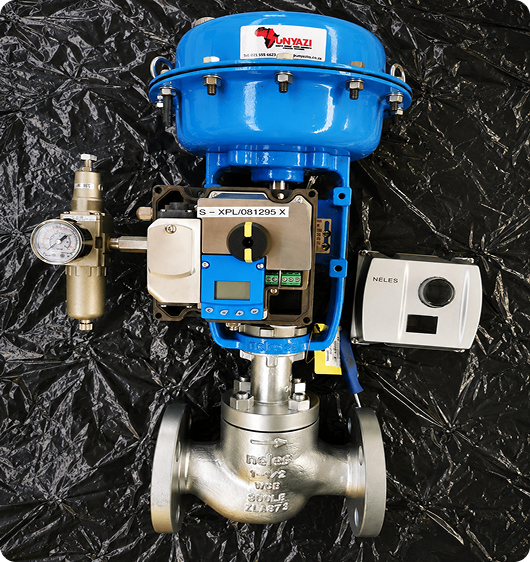
Selecting the Correct Control Valve
Choosing the correct control valve requires a detailed review of the process conditions. The expected flow rate, inlet and outlet pressure, temperature, media and required control range must all be considered.
Unyazi assesses the valve size, flow coefficient, trim design, materials and operating characteristics to ensure the selected valve suits the process.
We also consider the required response speed, pressure drop and the risk of noise, cavitation or erosion. This helps improve control accuracy and reduce premature valve wear.
Actuation and Digital Control
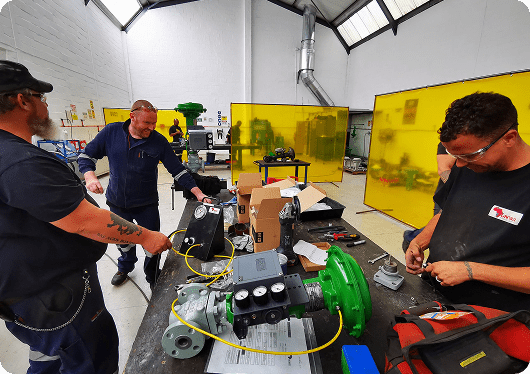
Control valves can be fitted with pneumatic, electric or hydraulic actuators depending on the process and available control system. Digital valve controllers and smart positioners can also be added to improve valve response and provide information on position, travel and operating condition.
This data can help identify developing problems before they cause a process interruption. Unyazi can assist with matching the valve, actuator and controller to the wider automation system.