How Flame Arrestors Work?
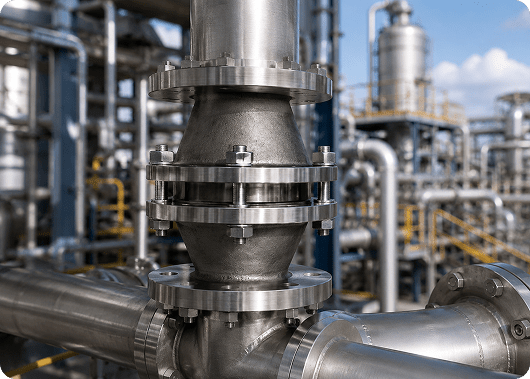
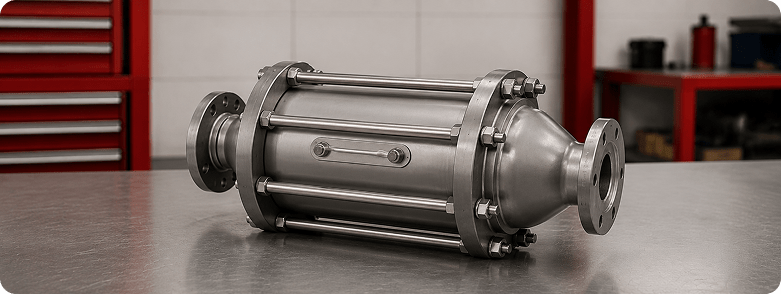
A flame arrestor contains an internal element with narrow channels that absorb heat from a passing flame. As the flame enters the arrestor, the internal element cools it below the temperature needed for continued combustion. This prevents the flame from moving further through the pipework or into connected equipment.
The arrestor must still allow normal process flow, which makes correct sizing and placement important for both safety and system performance.
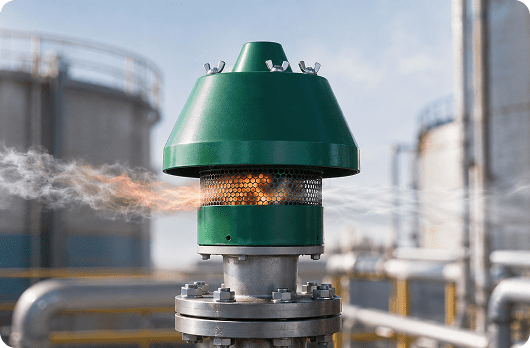
End-of-Line Flame Arrestors
End-of-line flame arrestors are installed at the open end of a vent or pipe. They are commonly used on storage tank vents where flammable vapours may be released into the surrounding atmosphere.

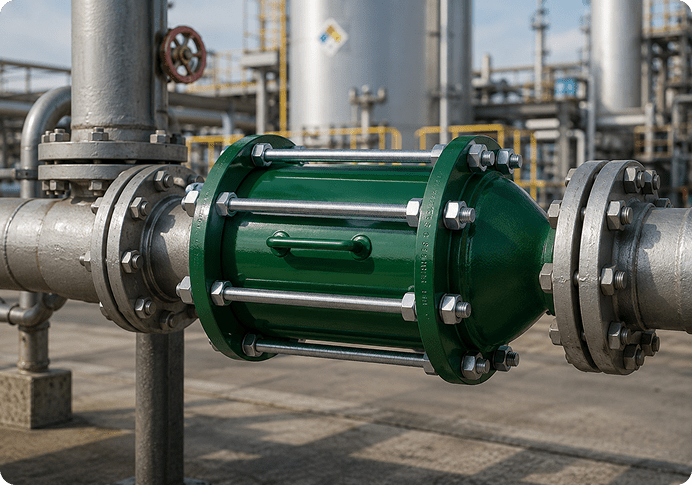
In-Line Flame Arrestors
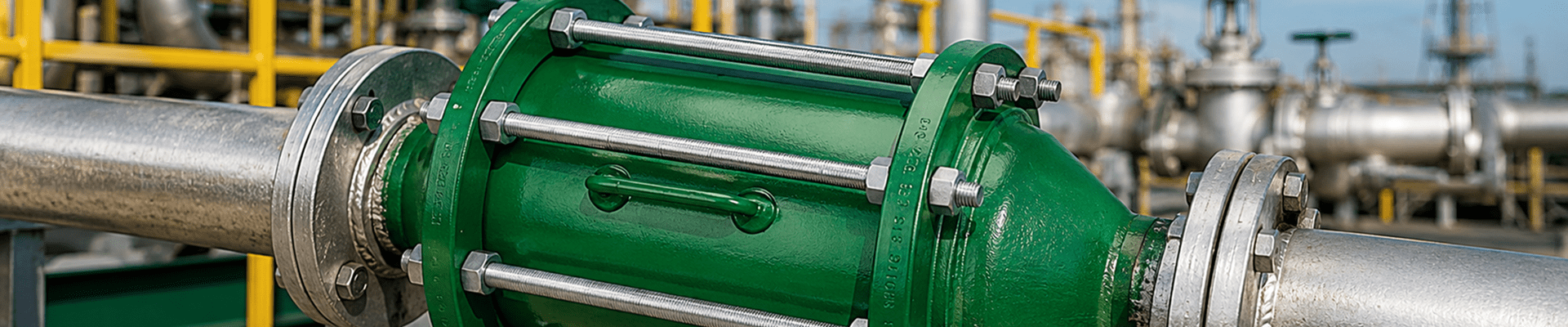
In-line flame arrestors are installed within a closed piping system. They are used where a flame could travel through the pipework towards a tank, vessel or other process equipment.
Deflagration and Detonation Arrestors
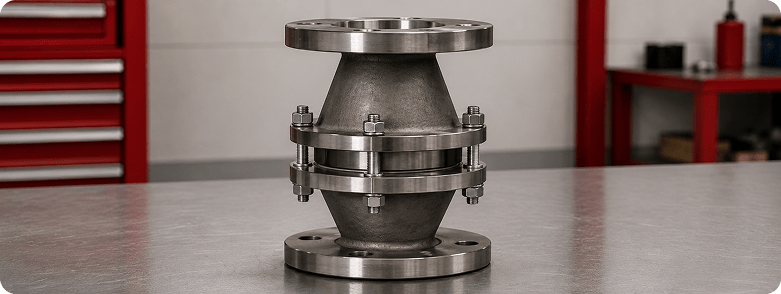
Different designs may be required depending on the speed and pressure of the flame event. The correct arrestor must be selected according to the expected combustion conditions, system layout and distance from the possible ignition source.
Where Flame Arrestors are Used?
Flame arrestors are installed in systems where flammable gases or vapours may be present. Their placement should be based on a clear understanding of possible ignition points and the direction in which a flame could travel.
 Fuel storage tanksChemical storage systemsProcess ventsVapour recovery linesOil and gas facilitiesPetrochemical plantsSolvent handling systemsFlammable gas pipelines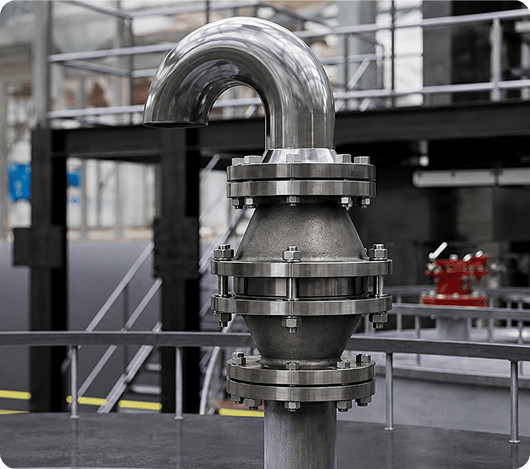
Selecting the correct
Flame Arrestor
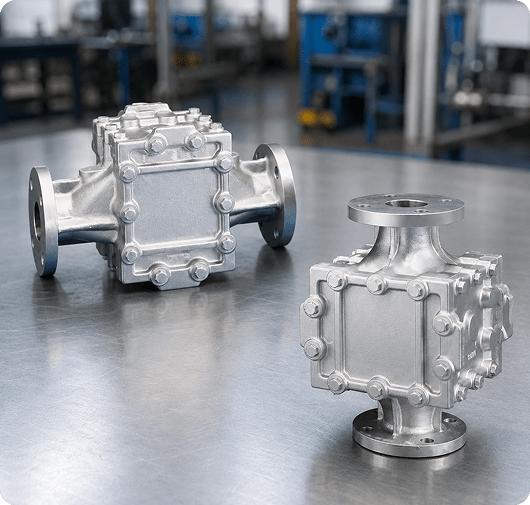
Selecting a flame arrestor requires more than matching the connection size.
Unyazi considers the gas or vapour group, pipe diameter, flow rate, operating pressure and temperature. The possible ignition location, pipe length and expected flame conditions must also be assessed. The internal element and body materials should be compatible with the process media and surrounding environment. Correct selection helps provide effective flame protection without creating excessive pressure loss.
Installation and Ongoing Support
Flame arrestors require regular inspection and cleaning to remain effective. The internal element can become blocked by dirt, corrosion or process build-up. This may restrict flow and reduce the arrestor’s ability to absorb heat during a flame event.
Unyazi can assist with inspection, cleaning guidance, maintenance and replacement planning. Technical and service records can also be provided to support maintenance programmes and safety checks.