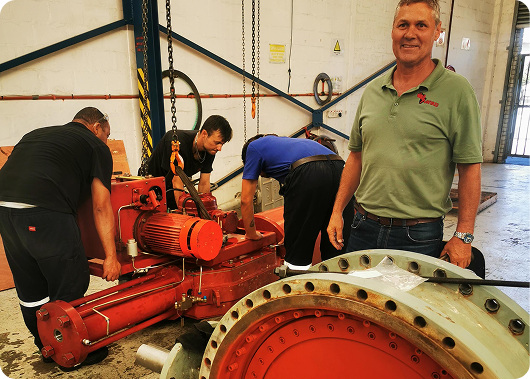
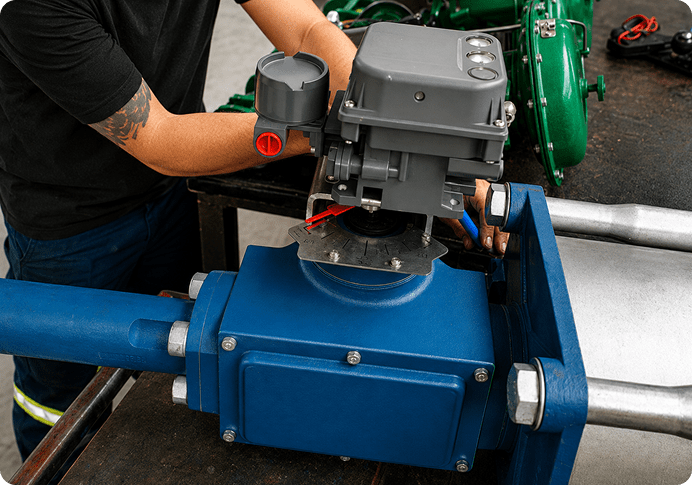
What Does a Valve Actuator Do?
A valve actuator receives a signal from an operator, control panel or automation system and moves the valve to the required position. Depending on the valve design, this movement may be rotary or linear. Quarter-turn actuators are commonly used with ball, butterfly and plug valves, while linear actuators are used with valves that require straight-line movement.
Correct actuator selection is important because each valve has different torque, speed and operating requirements. An actuator that is incorrectly sized may move slowly, fail to complete its travel or place unnecessary strain on the valve.
Types of Valve Actuators
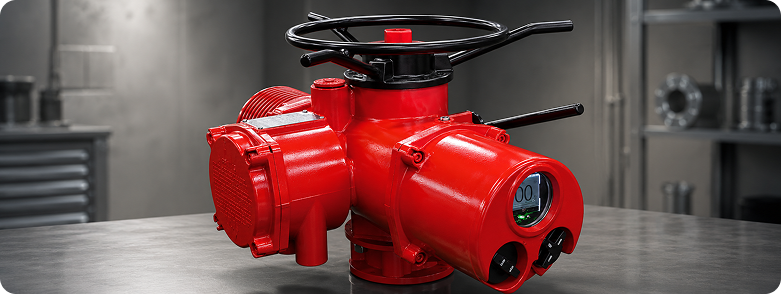
Electric Actuators
Electric actuators use an electric motor to operate the valve. They are suitable for facilities where compressed air is unavailable or where the valve must be connected directly to an electrical control system.
These actuators can provide remote operation, accurate movement and programmable control. They may be used for simple isolation duties or applications that require the valve to move to controlled positions.
Hydraulic Actuators
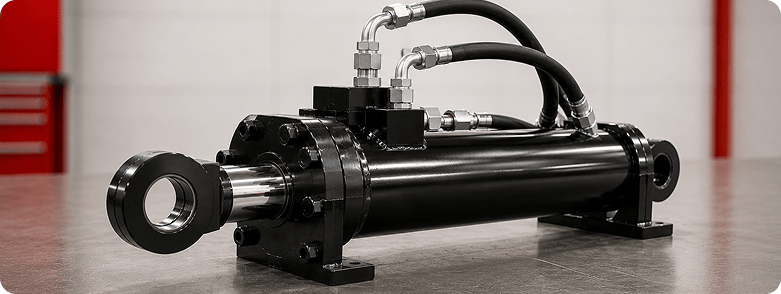
Hydraulic actuators use pressurised fluid to generate high levels of force. They are commonly used with larger valves or in applications where high torque is required.
Their powerful operation makes them suitable for heavy-duty pipelines, critical isolation points and emergency shutdown systems.
Pneumatic Actuators
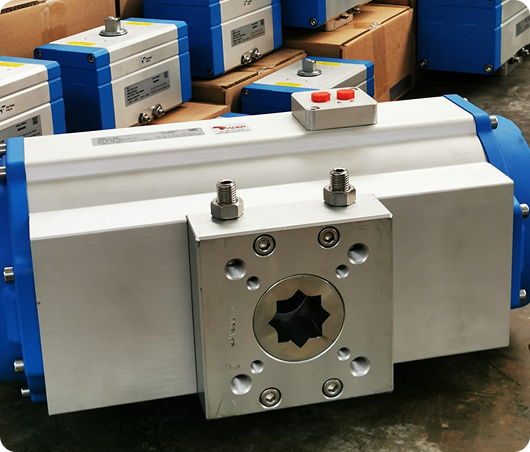
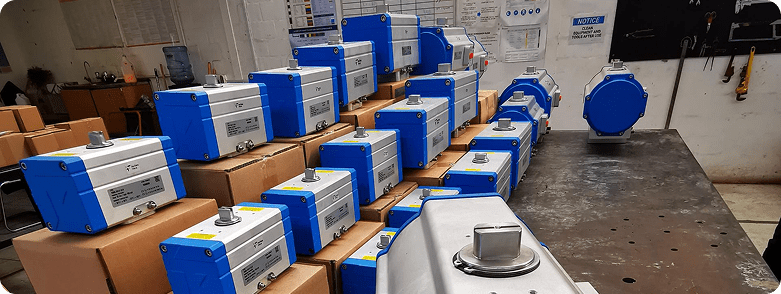
Pneumatic actuators use compressed air to move the valve. They are widely used across industrial plants because they provide fast, dependable operation and have a relatively simple design.
Quarter-turn rack and pinion actuators convert the straight movement of internal pistons into rotary force. This provides the 90-degree movement required by most ball, butterfly and plug valves.
Pneumatic actuators can be supplied as double-acting or spring-return units. A spring-return arrangement can move the valve to a defined safe position if the air supply is lost.
Selecting the Correct Actuator
Selecting an actuator involves more than matching it to the physical size of the valve. It must provide enough torque or force to move the valve reliably throughout its full travel.
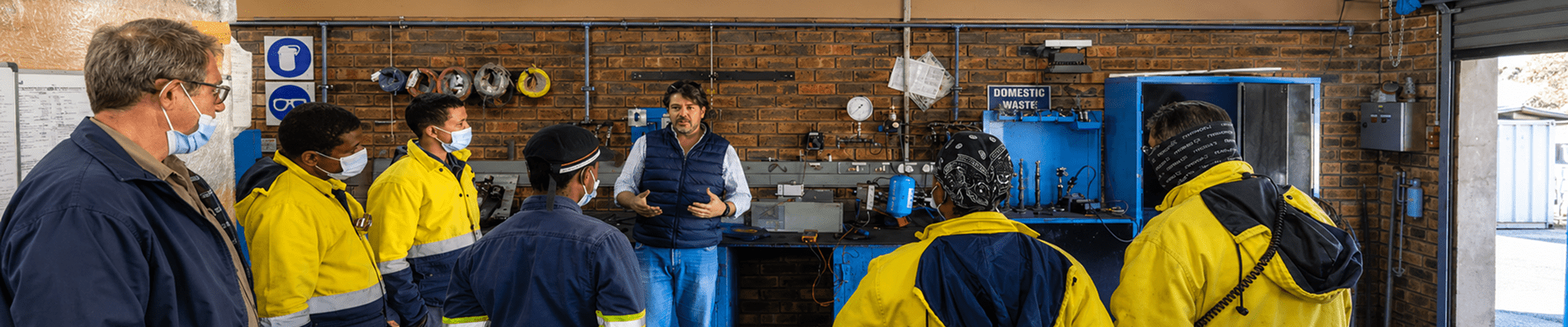
Unyazi considers the valve type, required movement, operating torque, speed, cycle frequency and available power source. The installation space, surrounding environment and method of control are also assessed before a solution is recommended.
 Ball, butterfly and plug valvesPipeline isolationProcess control systemsEmergency shutdown applicationsHydrocarbon handlingsSteam, gas and utility systemsRemote or difficult-to-access valves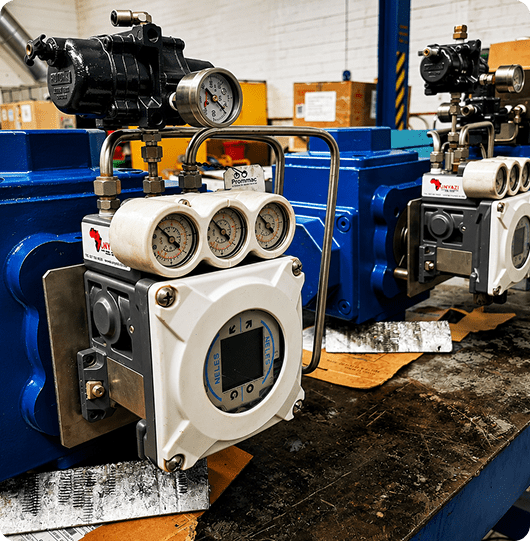
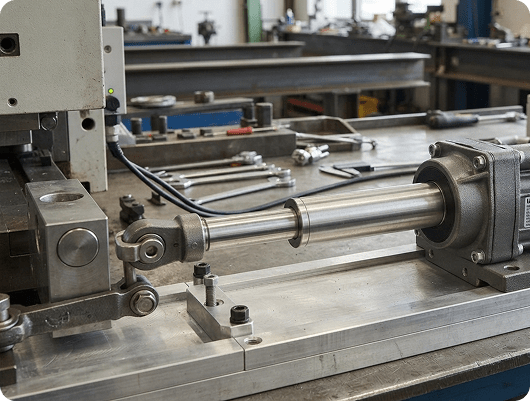
Turnkey Actuation for New and Existing Valves
Unyazi can provide complete actuation solutions for newly supplied valves or valves already installed within a plant. Our team can assess the valve, determine its operating requirements and select a suitable actuator. We can also provide the components needed to connect the valve and actuator correctly.
Where standard mounting parts are not suitable, custom brackets, couplings and mounting kits can be designed for the application. This allows older or manually operated valves to be incorporated into a modern automation system without always replacing the complete valve.
The finished assembly can be configured and tested to confirm correct movement and reliable operation.
Installation, Testing and Support
Correct installation and setup are essential for reliable actuator performance. Checks may include opening and closing tests, travel adjustment, torque verification and confirmation that the valve reaches its required positions. Pneumatic, electrical or hydraulic connections can also be inspected according to the actuator type.
Unyazi can assist with installation, commissioning, testing, maintenance and repairs. Technical and service records can also be provided to support future inspections and maintenance planning.