
How Pressure Relief Valves Work?
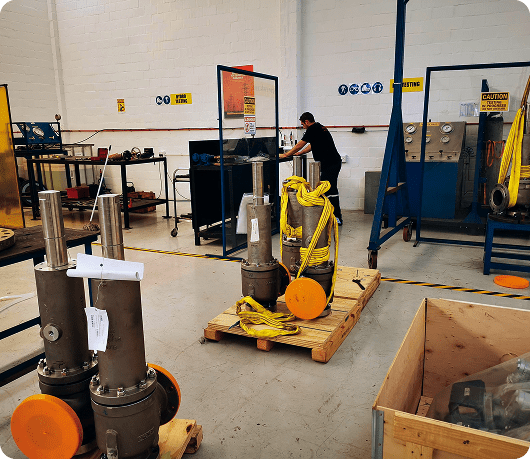
A pressure relief valve remains closed during normal operation. When the pressure reaches the valve’s set point, the internal mechanism lifts and allows excess media to leave the system.
As the pressure returns to a safe level, the valve closes again to restore normal operation. The set pressure and discharge capacity must be selected correctly to ensure the valve responds before the system exceeds its design limits. Pressure relief valves form an important part of the wider pressure protection system and should not be treated as general process control valves.
Pressure Relief Valve Types and Options
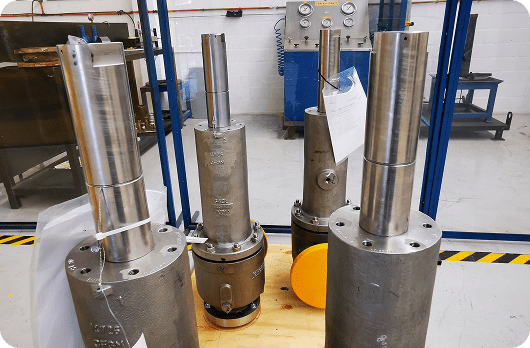
Pressure relief valves are available in different designs depending on the system pressure, process media and required relief capacity. The correct design will depend on the required set pressure, backpressure conditions, flow capacity and whether the system handles liquid, gas or mixed media.
 Spring-loaded DesignDifferent Body MaterialsConnection TypesPilot-operated DesignsSeat Materials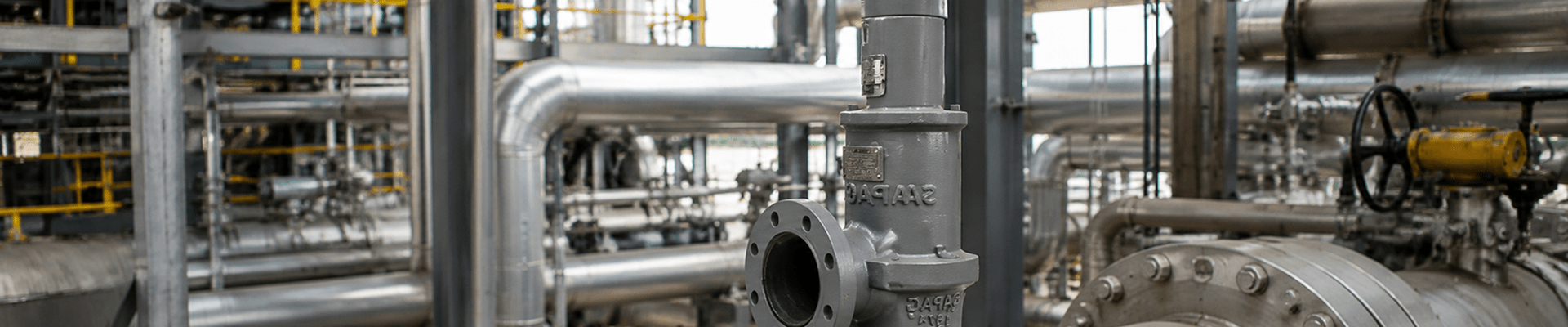
Where Pressure Relief Valves are Used?
Pressure relief valves are installed wherever excess pressure could damage equipment or create an unsafe operating condition. Each application requires the valve to be sized and configured according to the maximum possible pressure and discharge conditions.
Pressure ValvesProcess pipelinesPumps and pumping systemsStorage tanksHeat exchangersHydraulic systemsChemical processing equipmentThermal expansion protection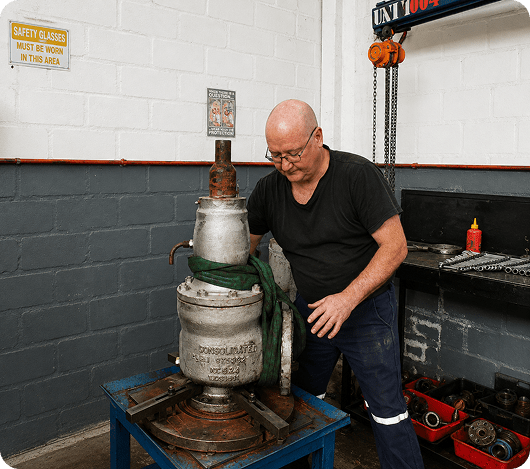
Selecting the Correct Pressure Relief Valve
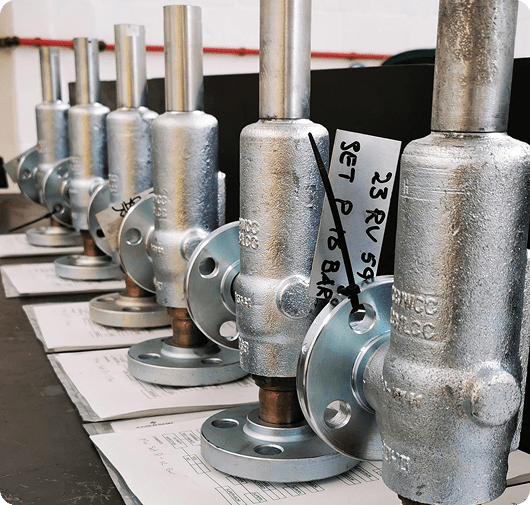
Choosing the correct valve requires an assessment of the set pressure, required relief capacity, operating temperature and process media. Unyazi also considers inlet and outlet conditions, backpressure, material compatibility and the system’s maximum allowable working pressure.
A valve that is incorrectly sized may not release enough media or may open too frequently. Correct selection helps ensure dependable protection without disrupting normal process operation.
Testing and Ongoing Support
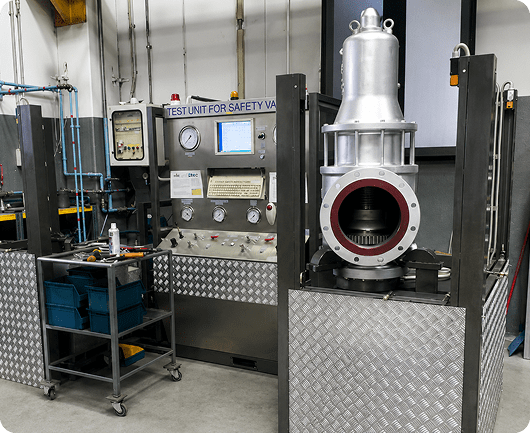
Pressure relief valves should be inspected and tested at planned intervals to confirm that they open at the correct pressure and reseat properly. Unyazi can assist with set pressure testing, seat leak checks, inspection, calibration and functional testing. These services can identify corrosion, sticking, wear or set-point changes before valve performance is affected.
Technical reports and service records can also be provided to support maintenance planning and site compliance requirements.