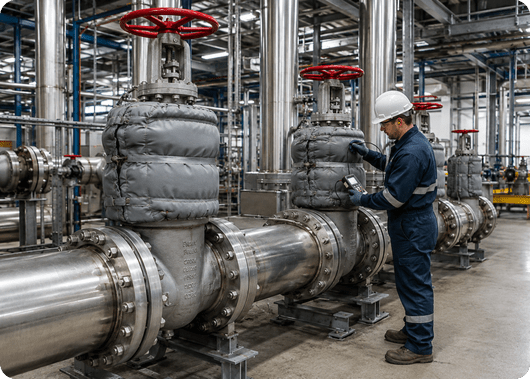
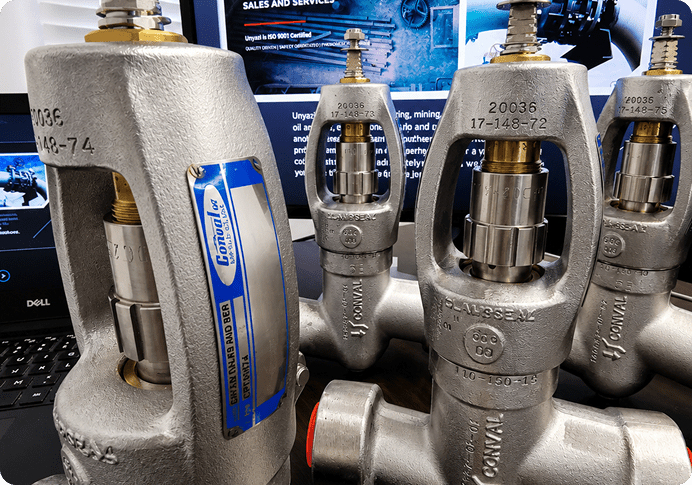
How Steam Valves Work?
Steam valves control, isolate or direct the movement of steam and condensate through a piping system.Because steam systems operate at high temperatures, the valves must withstand thermal expansion, pressure changes and repeated heating and cooling cycles. The valve body, internal components and sealing materials must therefore be selected carefully.
A correctly specified steam valve helps maintain stable system operation while reducing leakage, energy loss and unnecessary wear.
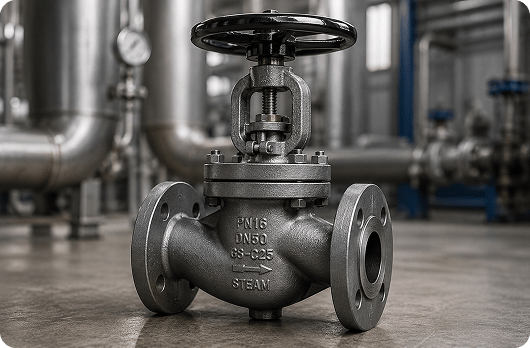
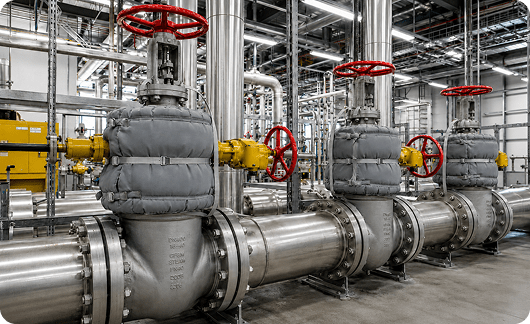
Steam Valve Design and Options
Steam valves are available in different designs depending on whether the application requires isolation, controlled flow, pressure management or protection against reverse flow. The valve may be operated manually using a handwheel or gearbox, or fitted with an actuator for remote and automated control.
Materials, seals and internal components can also be selected according to the steam pressure, temperature, condensate conditions and required operating frequency.
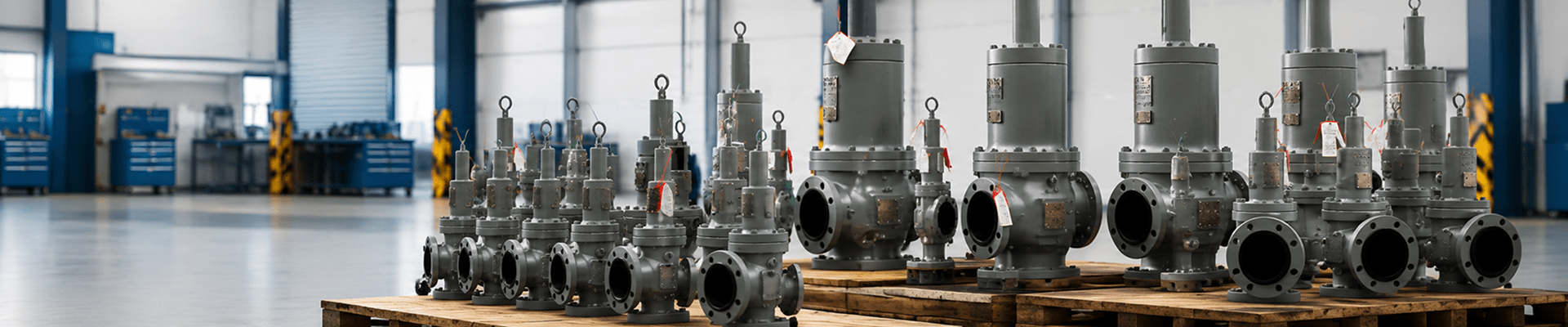
Where Steam Valves are Used?
Steam valves are used throughout industrial systems where steam must be controlled, directed or safely isolated. They are particularly important in systems where stable heat transfer, dependable shutoff and controlled pressure are required.
 Boilers and boiler feed systemsSteam turbinesIndustrial heating networksProcess steam pipelinessHeat exchangersBypass circuitsSteam distribution systemsCondensate handling systems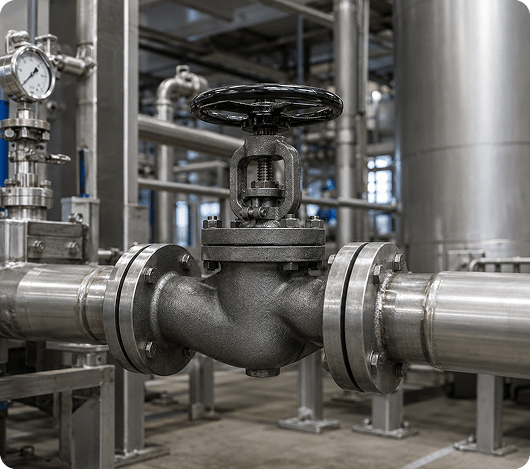
Selecting and Operating the Correct Steam Valve
Choosing the correct steam valve requires an assessment of the operating pressure, temperature, pipe size and required function. Unyazi also considers thermal cycling, condensate, pressure changes and the risk of erosion or corrosion. Suitable body materials, seals and internal components are then selected to match the conditions of the system.
The wider steam system should also be considered. Steam traps, bypass lines and connected equipment can affect how the valve performs and how pressure is managed throughout the process. Where automated control is required, the valve can be paired with a suitable pneumatic, electric or hydraulic actuator.
Testing and Ongoing Support
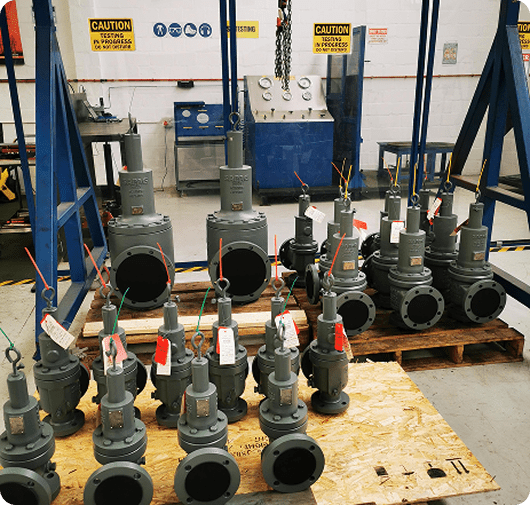
Steam valves can be inspected and tested before supply to confirm their operation and sealing performance. Checks may include pressure testing, seat leak testing and functional operation testing.
Unyazi can also assist with installation, commissioning and system checks to help confirm that the valve operates correctly under plant conditions. Our field service team provides ongoing support through inspections, diagnostics, maintenance and repairs. Technical records can also be supplied to support maintenance planning and future servicing.