
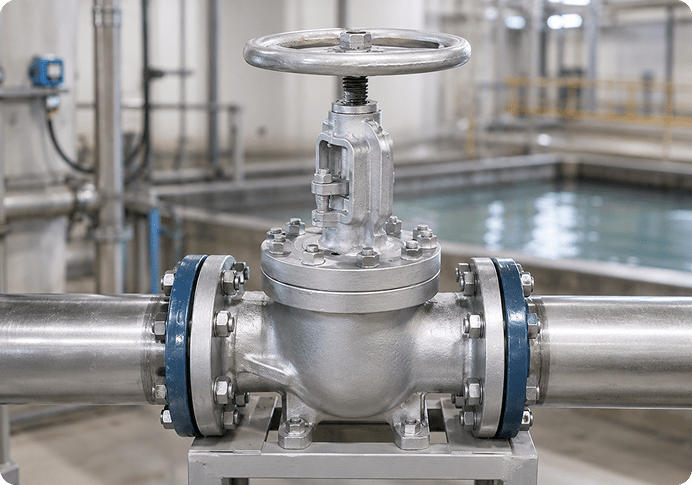
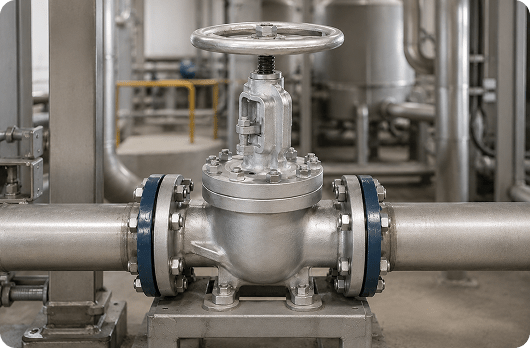
How Industrial Process Valves Work?
Industrial process valves manage the movement of media through a piping system. Depending on the valve design, they may be used to start or stop flow, regulate process conditions, prevent reverse flow or redirect media.
The correct design depends on the role the valve must perform within the system. Body materials, internal components, seats and seals must also be compatible with the media and operating conditions. This makes proper valve selection essential for safe operation, consistent performance and reduced maintenance.
Process Valve Types and Configurations
Industrial process systems may use several valve types, depending on the required function and operating conditions. Each design offers different benefits for isolation, regulation, pressure management or flow direction.Valve bodies, trims, seats and seals are available in different materials. Flanged, threaded and welded end connections may also be selected to suit the pipework and installation requirements.
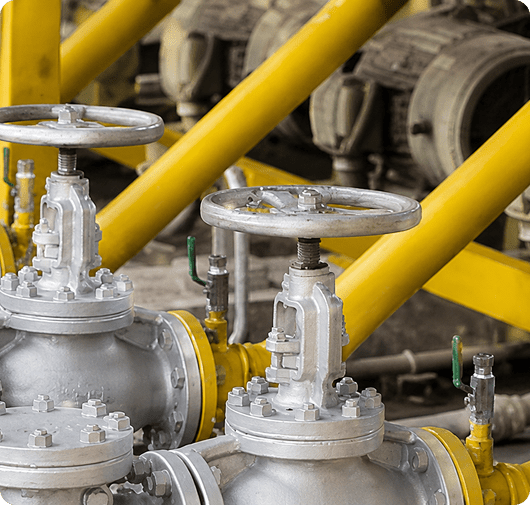
 Ball valvesGate valvesGlobe valvesButterfly valvesPlug valvesCheck valves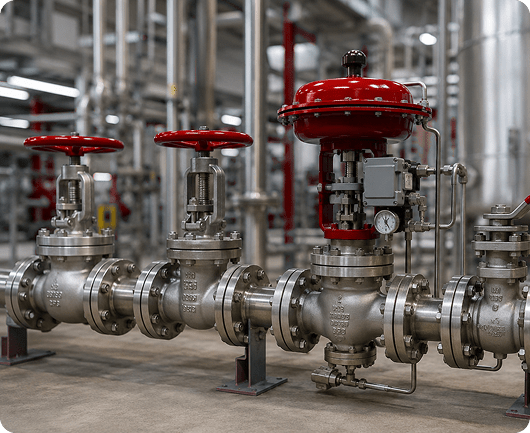
Where Industrial Process Valves are Used?
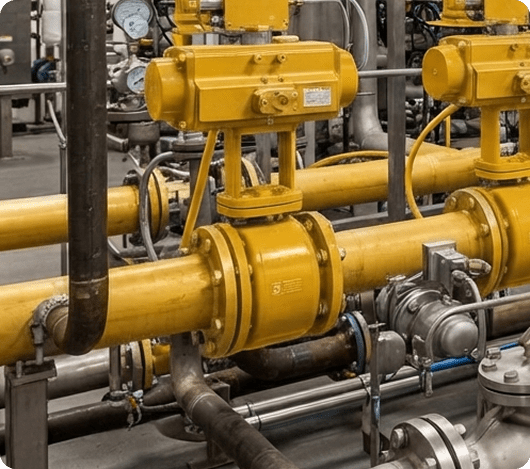
Industrial process valves are used across facilities where media must be controlled safely and reliably. The selected valve must suit both the process media and the role it performs within the wider system.
Chemical processing systems
Oil and gas operations
Water and utility lines
Slurry and abrasive media handling
High-purity production processes
Manufacturing plants
Heating and cooling circuits
Gas and compressed air systems
Selecting and Operating the Correct Process Valve
Choosing the correct process valve requires a review of the media, pressure, temperature, flow rate and required function. Unyazi assesses the valve design, material compatibility, trim arrangement, seat type and end connections. Operating frequency, installation space and maintenance access are also considered.
Where remote or automatic control is needed, the valve can be paired with a suitable actuator, digital controller and position feedback equipment. This application-based approach helps reduce leakage, corrosion, premature wear and unplanned process interruptions.
Testing and Ongoing Support
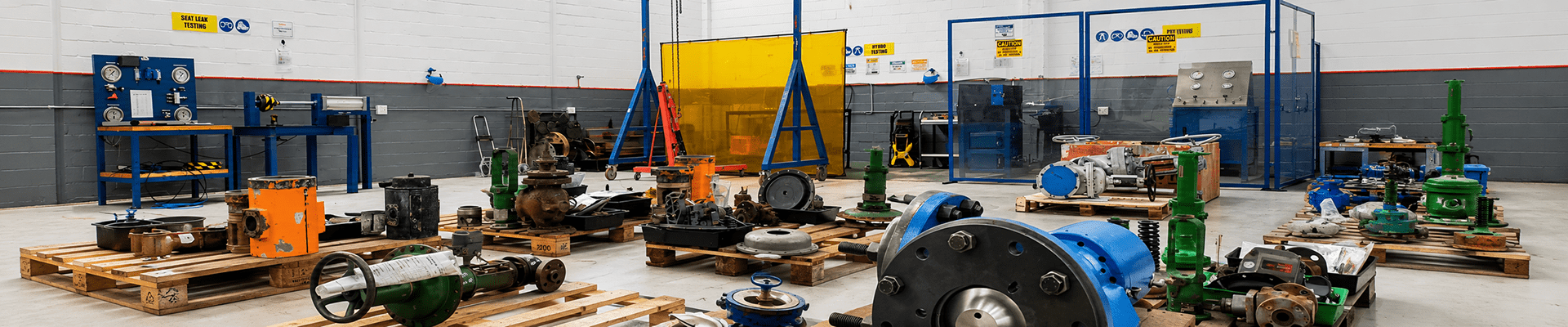
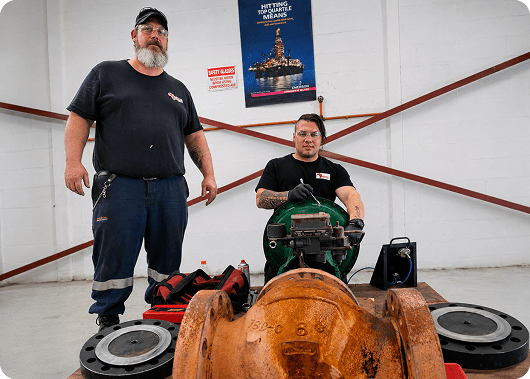
Industrial process valves can be inspected and tested before supply according to the valve type and project requirements. Checks may include pressure testing, seat leak testing and functional operation testing.
Where automation is included, the complete assembly can also be checked to confirm correct movement and control response. Unyazi can assist with installation, commissioning, inspections, diagnostics, maintenance and refurbishment. Technical and service records can also be supplied to support traceability and future maintenance planning.