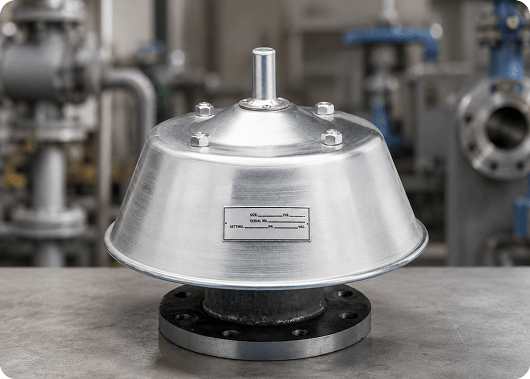
How Vacuum Vent Valves Work?
A vacuum vent valve remains closed while the pressure inside the tank stays within its normal operating range. When internal pressure falls below the valve’s set point, the valve opens and allows air or inert gas to enter. This restores the pressure balance between the vessel and its surroundings.
Once the pressure returns to an acceptable level, the valve closes again. This automatic tank breathing process helps prevent structural damage without requiring manual operation.
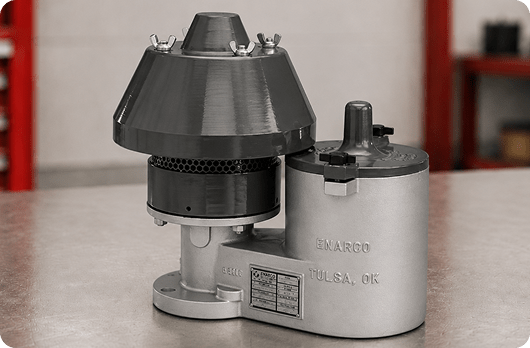

Vacuum Vent Valve Options
Vacuum vent valves are available in different sizes, materials and connection arrangements to suit the tank and stored product. The valve body, seat and sealing materials must be compatible with the media inside the vessel and the surrounding environment. The required vacuum setting must also match the pressure limits of the tank.
Some systems may use air for pressure equalisation, while others require an inert gas to protect the product or reduce the presence of oxygen inside the vessel.

Where Vacuum Vent Valves are Used?
Vacuum vent valves are commonly installed on storage tanks and vessels that may experience negative pressure during normal operation. They are especially important where a vessel is not designed to withstand strong internal vacuum conditions.
 Fuel storage tanksChemical storage vesselsWater tanksLow-pressure process vesselsBulk liquid storage systemsTanks exposed to temperature changesSystems using rapid liquid withdrawalInert gas blanketing systems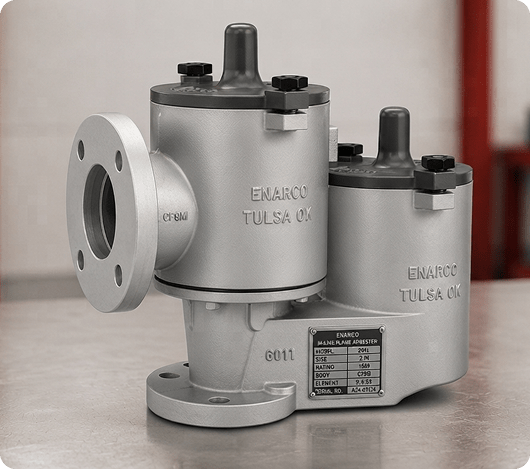
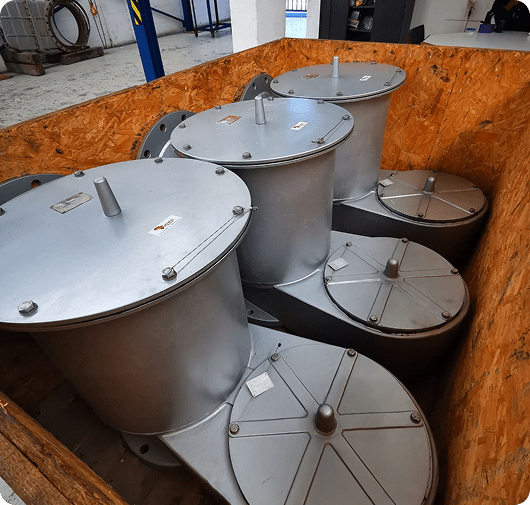
Selecting the Correct Vacuum Vent Valve
Selecting the correct valve requires an assessment of the tank design, stored media, discharge rate and expected temperature changes.
Unyazi considers the required breathing capacity, vacuum set point, connection size and material compatibility. The speed at which liquid is removed from the tank must also be reviewed, as faster withdrawal creates a greater demand for incoming air or gas. The valve should provide enough capacity to equalise pressure without exposing the tank or stored product to unnecessary risk.
Installation and Ongoing Support
Vacuum vent valves should be installed where they can respond freely to pressure changes and remain accessible for inspection. The breathing mechanism must be kept free from dirt, product build-up and other blockages that could prevent the valve from opening. Regular inspections should also confirm that the seat, seals and moving components remain in good condition.
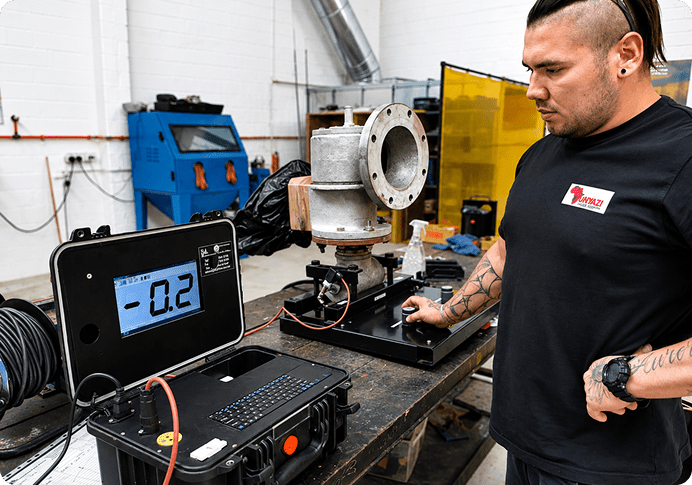
Unyazi can assist with valve selection, installation guidance, inspections, maintenance and replacement planning. Technical records can also be supplied to support ongoing tank maintenance.